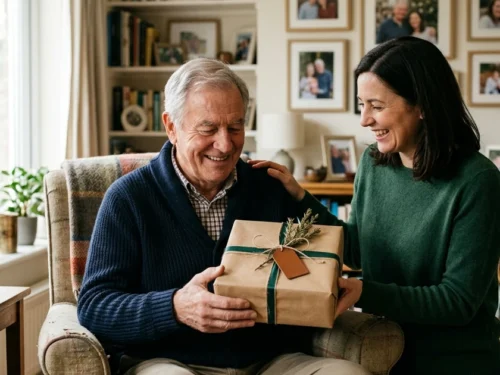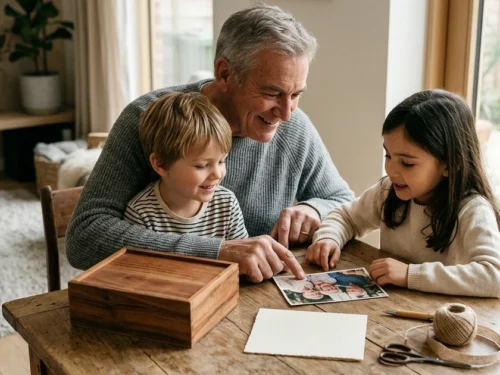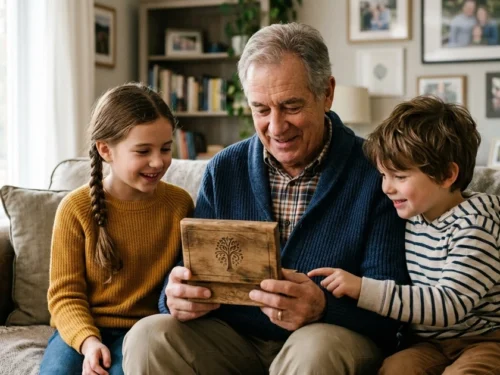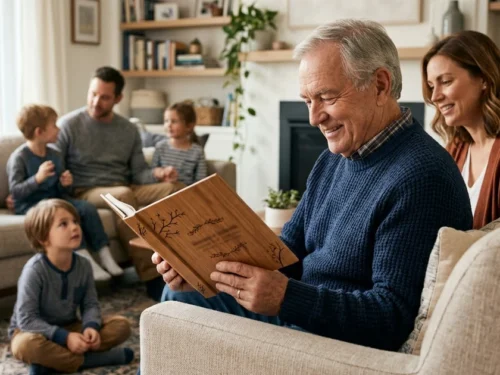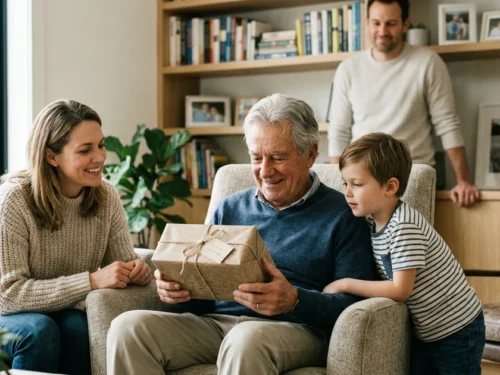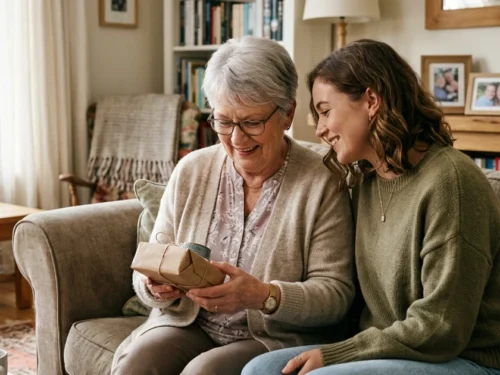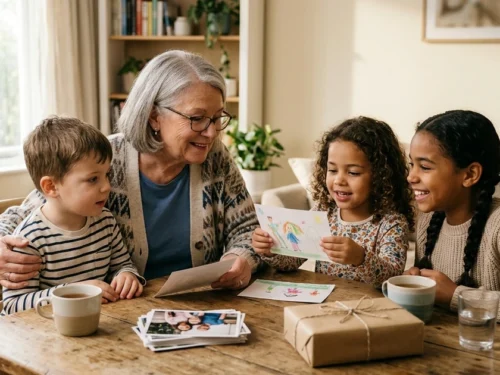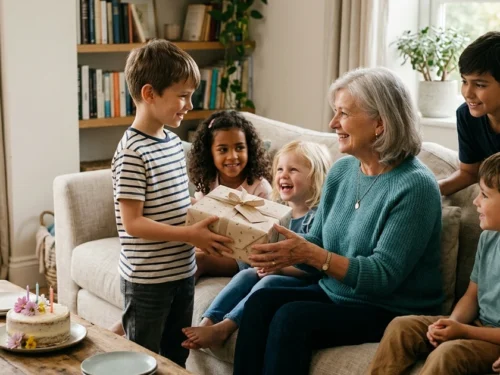
A meaningful family gift does not need the most customization. It needs a personal detail with a reason to be there.
A name can represent belonging. A familiar phrase can bring back a story in seconds. A date can mark the beginning of a chapter the family still cares about.
That gives you a useful way to approach meaningful family gift ideas: instead of starting with a product and asking what you can put on it, start with what you want the gift to remember or represent.
Names, memories and milestones each tell a different kind of family story.
Start With the Meaning, Not the Product
Putting a name or date on something makes it personalized. The detail becomes more meaningful when the recipient immediately understands why that name, that date or that memory was chosen.
Imagine two anniversary gifts. One simply shows a year. The other uses a date the couple connects with the beginning of a new life together. The numbers may look equally simple, but the second choice carries context the recipients already know.
The same idea works far beyond anniversaries.
A family gift might recognise the people who make up a household. It might recall the place everyone still talks about after a reunion. It could mark an adoption, graduation, move, wedding, new baby, retirement or another turning point.
The useful question is not “How much can I personalize?”
It is “What part of this family’s story deserves to be visible?”
For a broader range of directions beyond names, memories and milestones, the Meaningful Family Gift Ideas guide is the wider topic hub.
Family Name Gifts: When Identity Is the Story
Names are one of the simplest forms of personalization because they identify the people the gift is about.
That simplicity can be a strength.
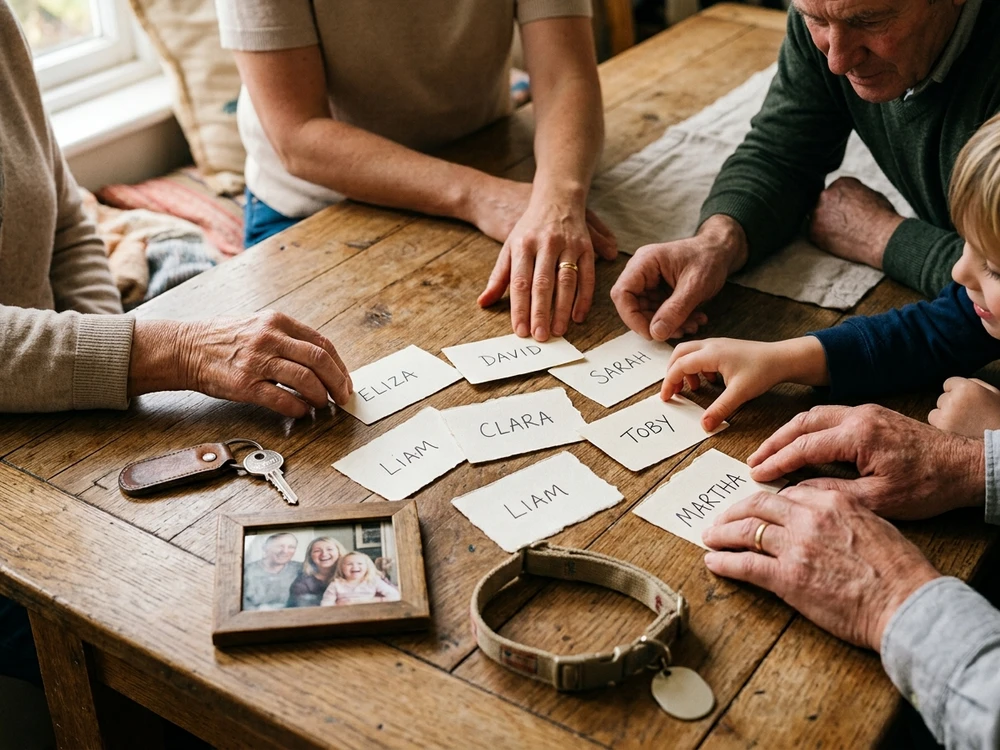
A gift featuring family members’ names may work particularly well when the main idea is belonging: a household coming together, grandparents celebrating their connection with grandchildren, siblings recognising their bond, or a chosen family marking the people who have become part of one another’s lives.
Use individual names when the people are the point
Individual names make sense when the group itself is what you want to celebrate.
That could mean the names of everyone in a household, grandchildren’s names for a grandparent, siblings or cousins, members of a blended family, people in a chosen family, or pets who are genuinely part of the household story.
The eventual gift might be artwork, a keepsake, an ornament or another personalized format if the actual product supports the required customization.
What matters is the relationship between the names.
A list of names can be decorative. Those same names chosen because they represent this household at this moment carry more context.
Use a family name only when it fits how the family identifies
A shared surname can be meaningful, but it should not be treated as the default symbol of family.
Some families share one surname; others do not. Partners may keep different names. A blended household may use several surnames. Other families simply identify themselves in another way.
If one family name genuinely represents the people receiving the gift, it can be a clean personal detail.
If it does not, individual names, initials, a shared phrase or another reference may tell the story more accurately.
A useful principle follows: choose the detail that reflects the real family rather than forcing the family to fit the design.
Memory-Based Gifts: When the Story Matters More Than the Label
Sometimes a family name identifies the people but says little about what connects them.
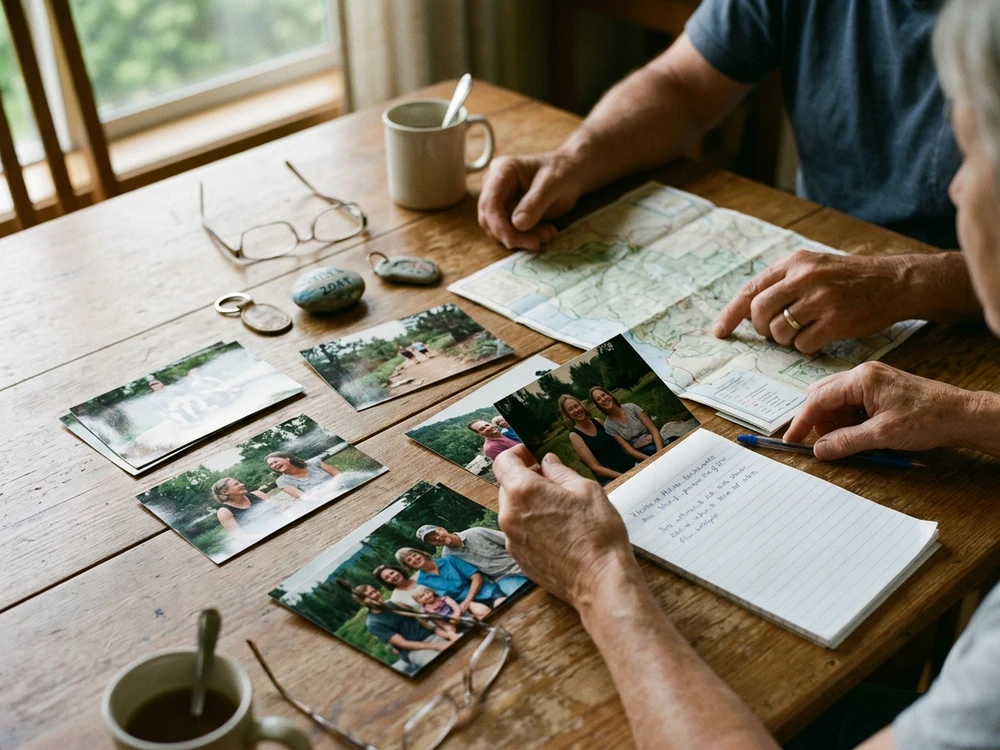
A shared memory can carry a different kind of meaning.
It could point to a trip everyone still talks about, a Sunday tradition, a phrase a grandparent always used, a recipe passed through generations, a song connected to family gatherings or a place that feels like part of the family’s history.
The reference does not need to make sense to everyone.
It needs to make sense to the people receiving it.
Build around one recognisable memory
Start with one memory instead of trying to represent an entire family history at once.
A sibling gift might use the ridiculous nickname that has survived since childhood.
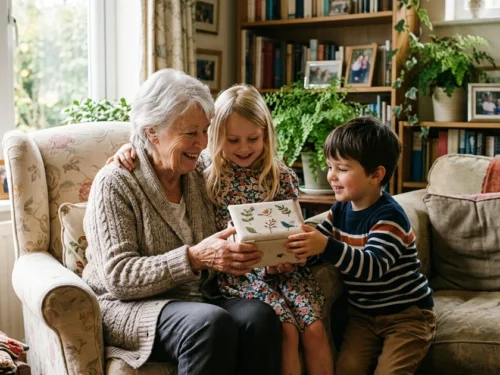
A gift for grandparents could centre on a photograph from a reunion where several generations were together.
A couple might choose a reference to the first home they made together.
For a pet family, the meaningful detail could come from a familiar trail, park or routine that has become part of life with their dog.
A chosen family might use the name of a yearly gathering with significance that outsiders would never guess.
The details differ, but the principle is consistent: the personalization points back to an experience the recipient already values.
Turn family rituals and private language into gift ideas
Not every meaningful memory comes from a major event.
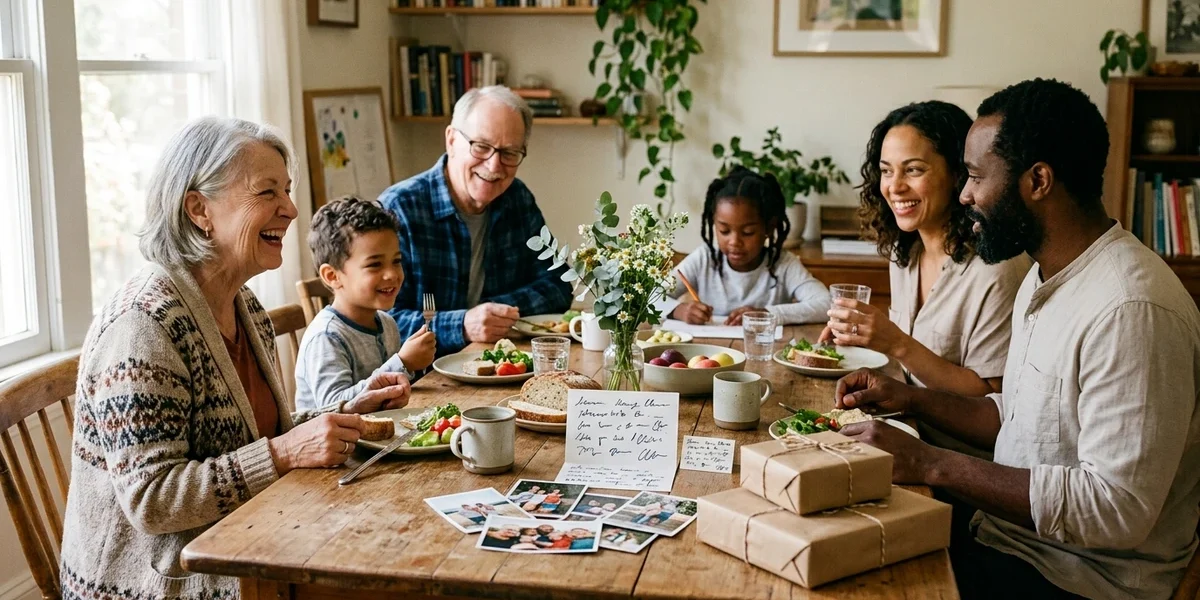
Family identity is also built through repeated things: movie nights, Sunday lunch, summer trips, game-day rituals, a running joke, a phrase used in every birthday card or the place where everyone tends to gather.
These references can feel especially specific because they are difficult to separate from the people involved.
“Family forever” might apply to countless households.
A phrase your grandfather has actually repeated for twenty years belongs to a much smaller story.
That does not mean every inside joke should become permanent décor. Ask whether the reference will still feel affectionate and understandable once it is taken outside the moment that created it.
Strong private references usually need very little explanation to their intended recipient.
Milestone Gifts: Give a Date Some Context
Dates are popular personalization elements because they are precise. But precision is not the same as meaning.
A date matters when it marks something the family considers worth remembering.
That might be a wedding or anniversary, but family milestones can also include a new baby, adoption, graduation, first home, reunion, retirement, major move or another new beginning.
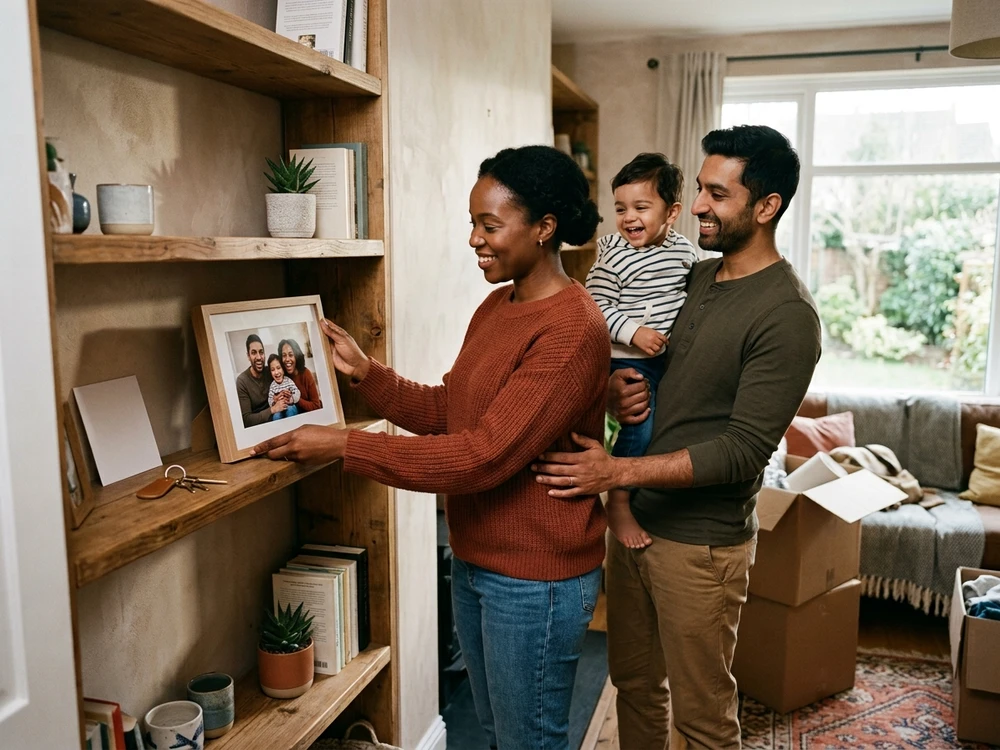
Mark beginnings and new chapters
A milestone gift can work particularly well when the point is to recognise transition.
For a household moving into its first shared home, the meaningful element may not be the address itself. It could be the year that new chapter began.
For grandparents, the milestone might be the arrival of another grandchild.
For an adoptive family, a meaningful date may belong to a chapter they choose to celebrate together.
For a couple, it may be a wedding, civil partnership, anniversary or another date they personally regard as significant.
The occasion supplies the date. The family’s own story supplies its meaning.
Remember the milestone rather than decorating with numbers
Before using a date, ask what the recipient is likely to remember when they see it.
If the connection is immediate, the date is doing useful work.
If it takes several sentences to explain why the number matters, another personal detail may tell the story more clearly.
You can also give a milestone a small amount of context. A name and year may be enough. A short phrase and date may communicate more clearly than several names, multiple dates and a long message competing for attention.
Personalization does not become more thoughtful simply because more fields are filled in.
When to Combine Names, Memories and Milestones
Names, memories and milestones do not have to stay separate.
They can work together when each detail adds something different.
Name + milestone: a couple’s names with a wedding or anniversary date.
Names + shared memory: family members’ names connected to a place, phrase or tradition they share.
Memory + milestone: a photograph from an important occasion with its date, when the chosen product genuinely supports both elements.
Names + milestone + message: the people involved, a meaningful date and one short line that gives a new chapter context.
The trade-off is clarity.
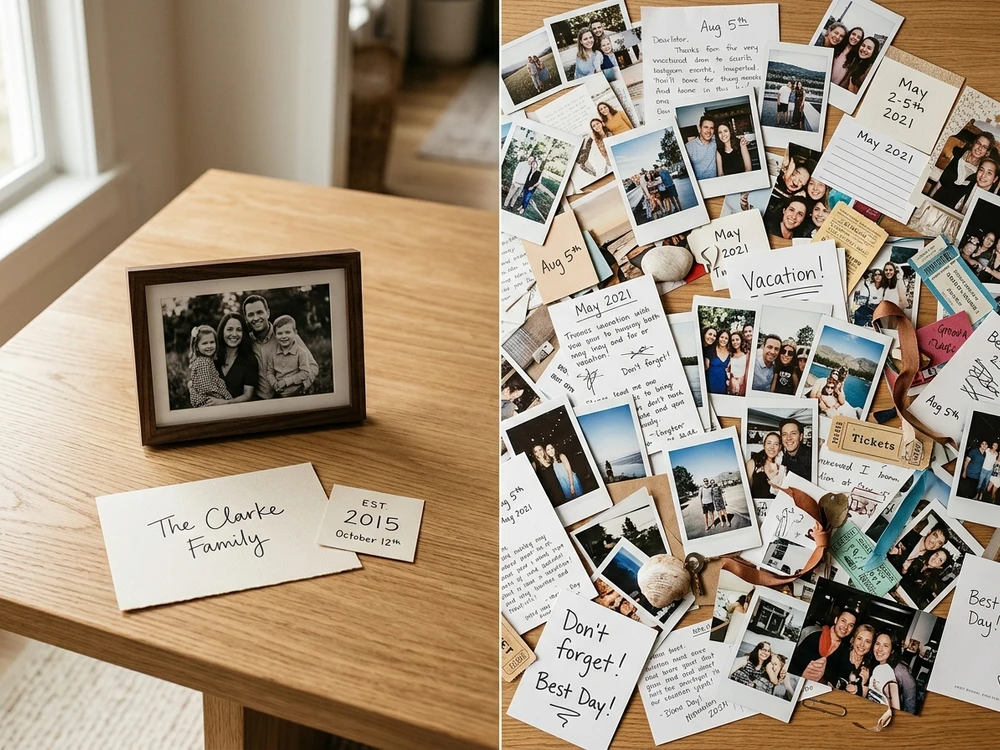
Every added element asks for attention. Once several names, dates, quotations, locations and decorative details compete with one another, the central story can become harder to see.
If you are unsure what to remove, ask which single detail you would keep if all the others had to disappear.
That is usually close to the heart of the idea.
Meaningful Ideas for Different Family Stories
The right identity cue depends on the family itself.
A blended household, for example, may find that several individual names represent the family better than one surname. In a household where grandparents are primary caregivers, language that reflects the relationship they actually share may matter more than a conventional family label.
Couples without children may build the story around one another, their home, travels, traditions or pets. Same-sex parents, adoptive families and chosen families may use names, roles or phrases that reflect how they describe themselves rather than wording borrowed from somebody else’s template.
Pets can belong at the centre of the idea too. If a dog’s name, a cat’s photograph or a shared routine is genuinely part of the household story, it does not have to be treated as an amusing extra.
The principle is simple: personalization should notice the family in front of you.
It should not assume what a family is supposed to look like.
Check the Detail Before You Personalize
Before committing to a name, memory or milestone, check the detail itself.
Will the recipient understand why it matters?
If the connection is immediate, the detail is probably doing more than decorating the gift.
Does it represent them accurately?
Check names, dates, relationships and the language the family actually uses.
Would the detail still tell a story if the product changed?
If yes, you have probably found a meaningful idea before becoming attached to a particular gift format.
That is as far as this article needs to take the choosing process. If you are still deciding which type of gift best suits the person or occasion, How to Choose a Family Gift That Feels Personal owns that broader question.
Once you do select a product, check its current product page to confirm which names, dates, messages, images or other fields it actually supports. For a time-sensitive occasion, verify current processing, delivery and returns information instead of assuming that personalized items follow the same terms as other products.
Let the Story Lead the Gift
Names tell us who the gift represents.
Memories tell us what people have shared.
Milestones tell us which moments changed the story.
Any one of those can become the foundation of a meaningful family gift. You do not need all three, and elaborate personalization is not proof that a gift is more thoughtful.
Start with the detail that would make the recipient immediately understand why you chose it.
Then find a gift format that gives that detail room to mean something.
For more directions across recipients, occasions and styles, continue with the broader Meaningful Family Gift Ideas guide. When you reach a specific product or collection, verify its available personalization options before ordering.